
Reading Los Angeles
Literature for a City on the Edge

Los Angeles is, somehow, both the most glamorized and demonized human habitation on earth. Long before these wildfires, the city’s existence had been challenged by nature and critiqued by a distinguished list of detractors. Hating L.A. has always been too easy—it is not Venice, Paris, or New York. It is less defined by grand public architectural statements than by vague attitudes. From the outsider’s car window, it appears lazily indifferent: rambling, incoherent, a collection of garish billboards and grim overpasses, tatty commercial strips, scalped hillsides, and spindly palms. You can drive around forever, searching for Los Angeles.
That is the tourist’s thin reduction of a grand and mysterious place. After more than two quixotic centuries, L.A. defies easy categorization, which is why it remains hopeful, vibrant, and sinister. A vast constellation of villages spreads across its basin, valleys, and hills; within them lives the most diverse assemblage of individuals on earth. The blessing and curse of Los Angeles is its sense of possibility—it is only now bumping up against its limitations, geographic and otherwise. In 1920, little more than 100,000 people lived in L.A. Today, the metropolitan area has a population of around 18 million, spread across a region of more than 2,000 square miles. Los Angeles County has a larger population than 40 states. Within it are subdivisions, skyscrapers, palaces, projects, homeless encampments, and lonely wilderness. If it is hard to get to know, it is because it is only just beginning to understand itself.
The many afflictions of Los Angeles—economic, racial, environmental—are hardly unique to it. It rose to become the 20th century’s greatest city by exalting individual happiness above all else, resisting older urban forms. More than anything, it has been a Xanadu for the American fantasy of the private home—French chateaux, Tudor manors, Spanish colonial haciendas, and postmodern spaceships. The great public spaces of Southern California are its far-flung beaches, deserts, and national forests. It has been despicably late in embracing the humble sidewalk, shade tree, bus shelter, and city park. One of the tragedies of the wildfires is that they struck just as atomized L.A. was inching toward a more urbane idea of its future—the billions it will take to heal may derail that progress.
Still, catastrophes are also opportunities. London, Chicago, and San Francisco remade themselves after devastating fires. Los Angeles, which was already investing in housing and public transport before this disaster, has an opportunity to do what it does best: Dream Big. To simply replace what was lost and hope for the best would be a mistake. In the wake of tragedy, a misunderstood megalopolis has been given the chance to try, yet again, to meet its golden promise.
The paradoxes of Los Angeles—seductive ease and explosive violence, jittery paranoia and languid stillness, grim murder and radiant sunshine—have made it one of the world’s great literary cities. These are just a few of the books we love about this enigmatic and endlessly fascinating town. May it remain an invitingly blank canvas.
Yours Ever,


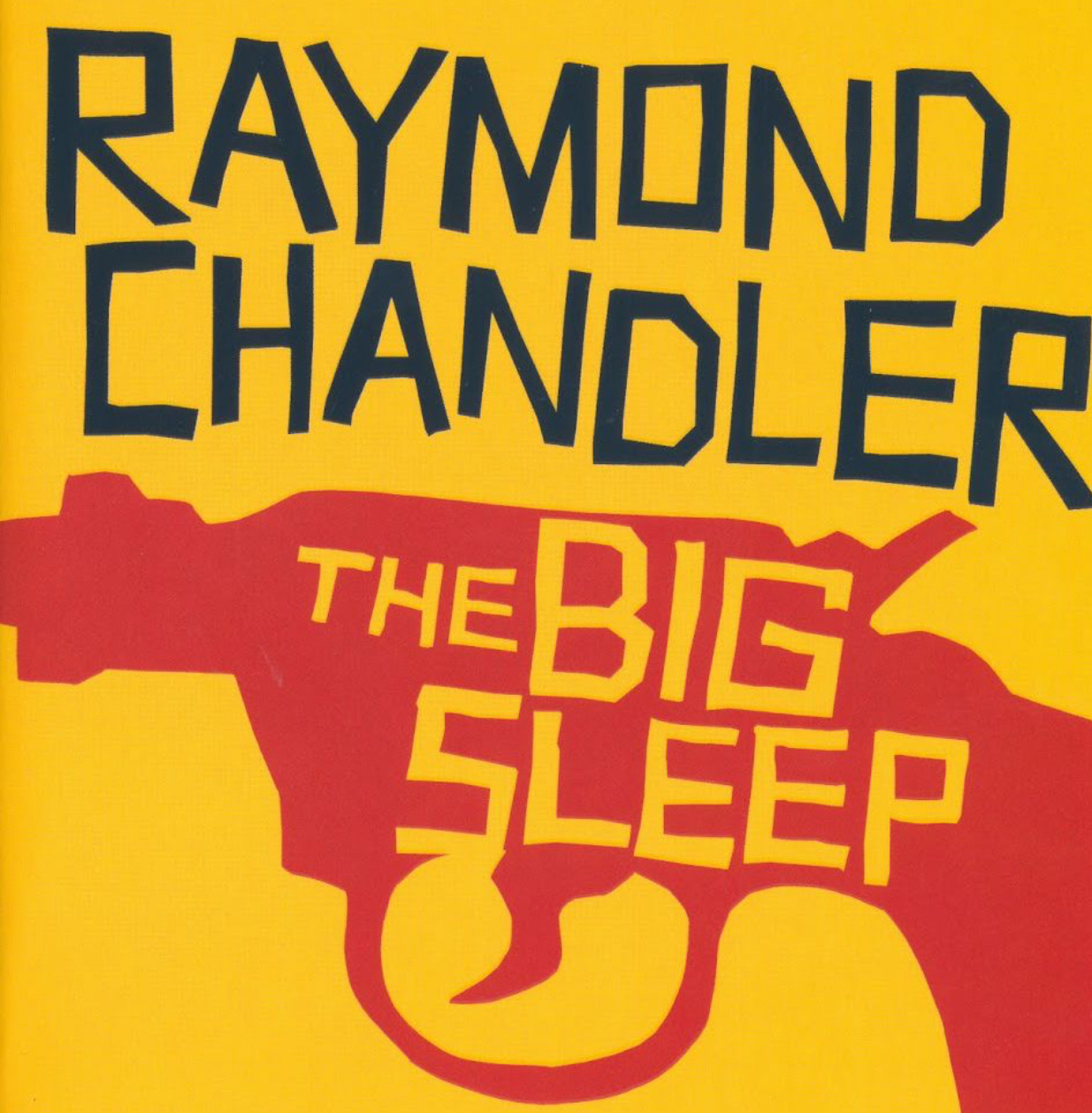
The Big Sleep and other Phillip Marlowe novels by Raymond Chandler
Born in Chicago and raised in England, Raymond Thornton Chandler arrived in Los Angeles in 1913. Though he didn’t much care for the city, he immortalized it for generations through his Philip Marlowe novels. The first, The Big Sleep, was published in 1939 after Chandler was fired from his job at an oil company. More than a masterpiece of hardboiled detective fiction, the novel offers a vivid portrait of a city on the rise—ruled by the sybaritic rich and crawling with corrupt enforcers, opportunists, and lowlifes. Many have imitated him since, but no writer shaped L.A.’s image more profoundly than Chandler.—Mavis Weld
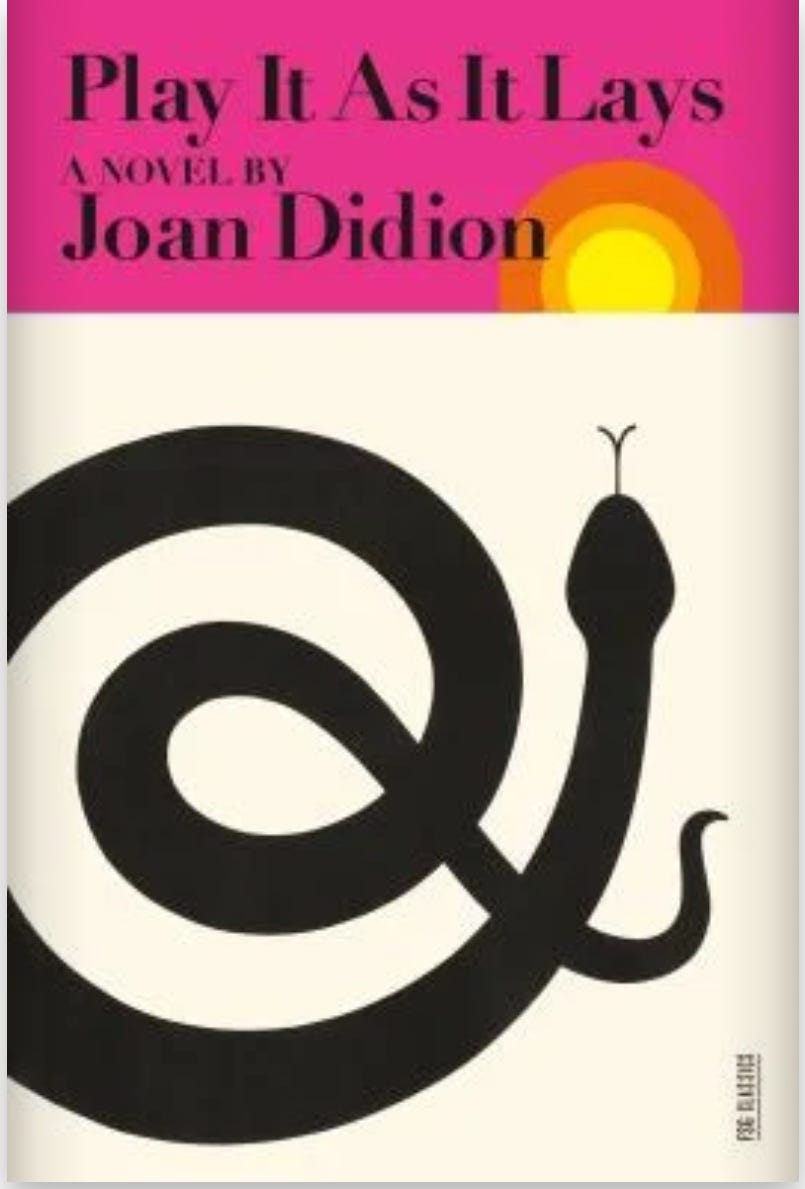
Play it as it Lays, Slouching Towards Bethlehem, and The White Album by Joan Didion
The apparent ease of California life is an illusion, and those who believe the illusion real live here in only the most temporary way. If Chandler gave L.A. its distinctive literary voice, Didion sharpened it for a late twentieth-century audience. Her journalistic dispatches from 1960s California captured a boom state hurtling toward an uncertain future. The essays in Slouching Towards Bethlehem and The White Album are filled with mordant observations on life in the Golden West; the former includes a haunting meditation on the Santa Ana winds. Her 1970 novel, Play It As It Lays, follows troubled actress Maria Wyeth as she drifts through the L.A. basin like a tumbleweed. It’s a devastating portrait of a woman—and a society—adrift.—Susannah Wood
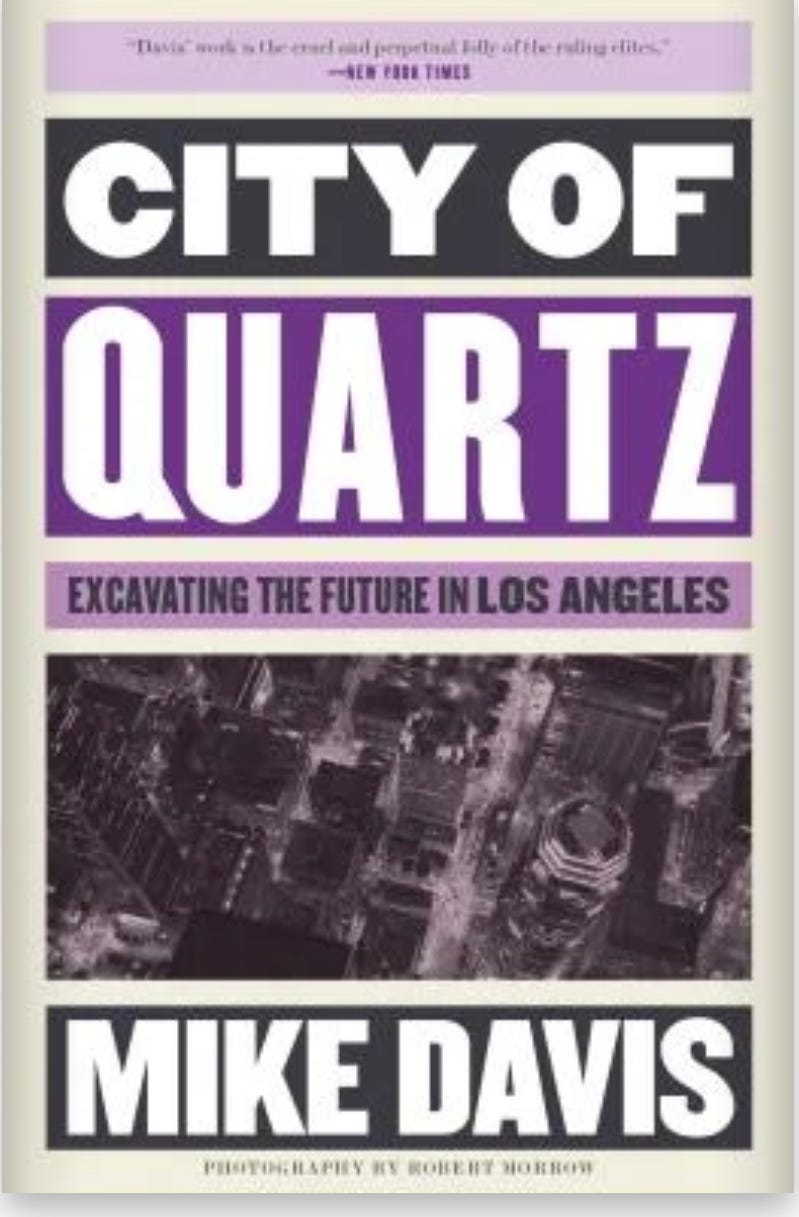
City of Quartz by Mike Davis
Davis’s social history of Los Angeles is a scathing left-wing critique, exposing the dystopian realities beneath a city built on utopian dreams. The book’s Marxist analysis of the greedy political and real estate establishment can be heavy-handed, but it remains a riveting work of California noir. A true L.A. original, Davis passed away in 2022; his take on this season’s wildfire crisis would undoubtedly have been blistering.—Dee Johnson
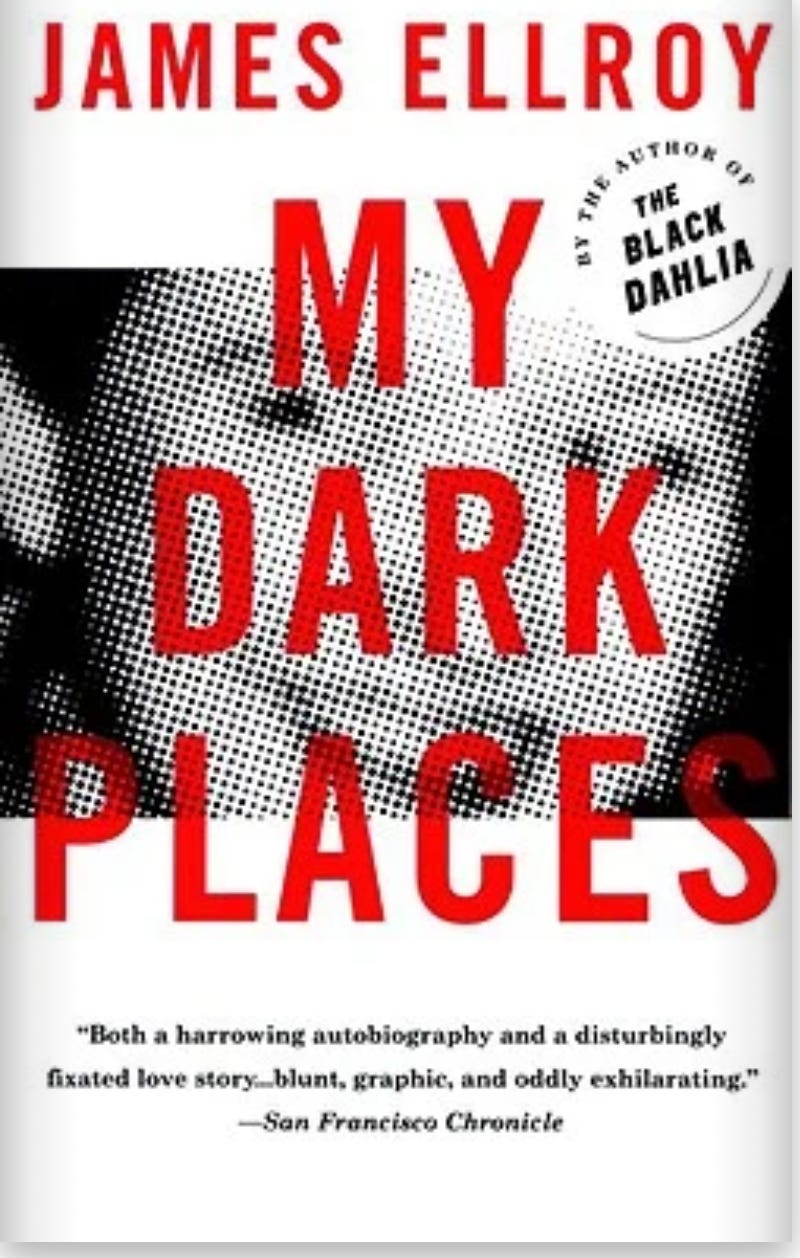
My Dark Places and The L.A. Quartet by James Ellroy
When Ellroy was 10, his mother, Jean, was raped and murdered—a crime that left an indelible mark on his life and inspired his career as a master of crime fiction, including the hardboiled novels of the L.A. Quartet. His memoir offers a raw and unsettling self-portrait, set in a restless city that, like its author, cannot seem to find a a lasting sense of justice or peace.—Karen Sifakis
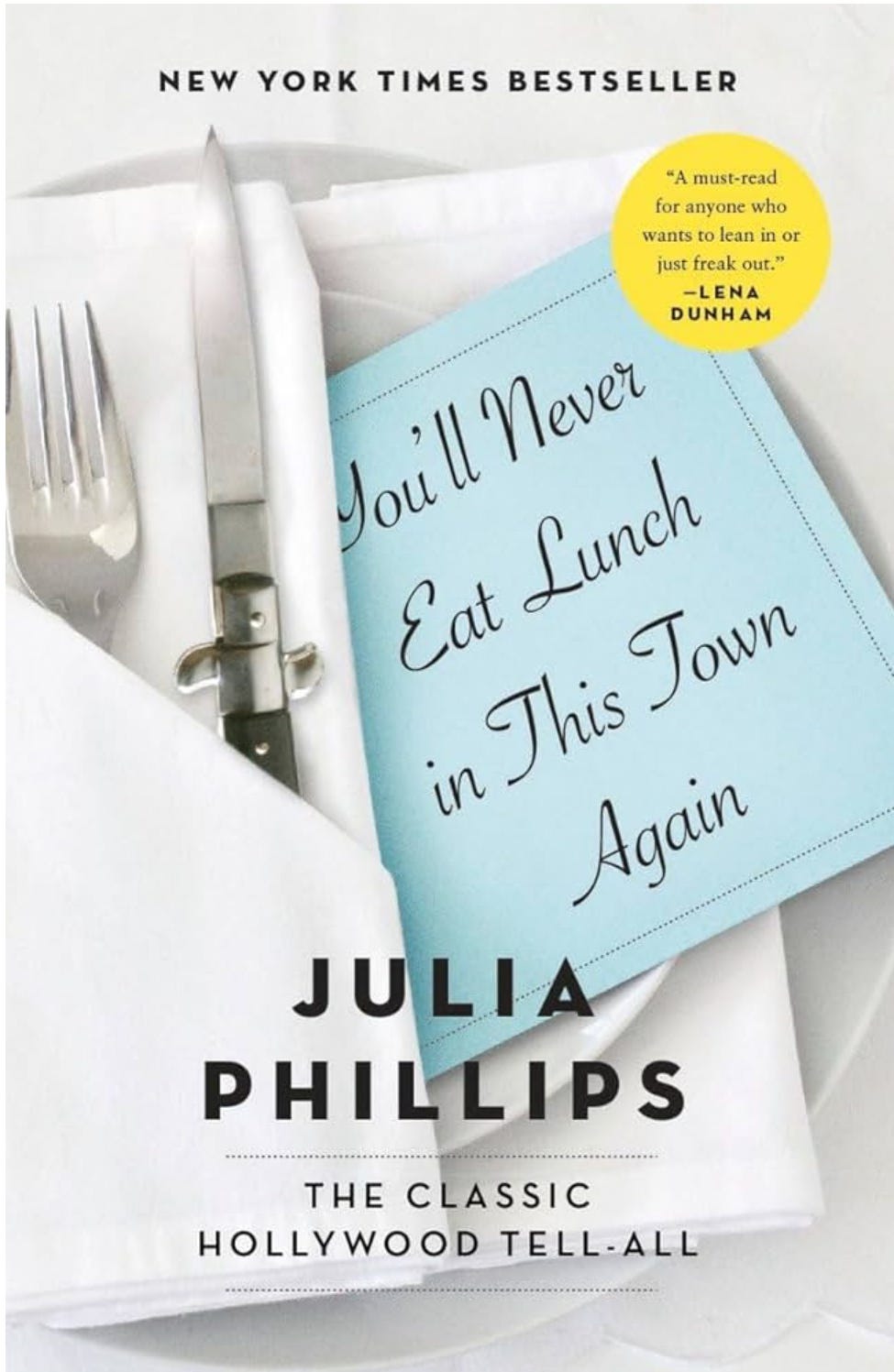
You’ll Never Eat Lunch in this Town Again by Julia Phillips
In a town built on lies, Phillips—the first female producer to win an Academy Award for Best Picture (for 1973’s The Sting)—fearlessly spoke the truth. The result was one of Hollywood’s most unforgettable tell-alls. Ferociously funny and brutally candid, Phillips held nothing back, exposing the lives of stars and power players like Erica Jong, Irving Azoff, Goldie Hawn, and Warren Beatty. But what truly sets her memoir apart is its unflinching depiction of her battle with addiction. It’s a poignant and courageous chronicle of a compromised L.A. life.—Betsy Karchevsky
